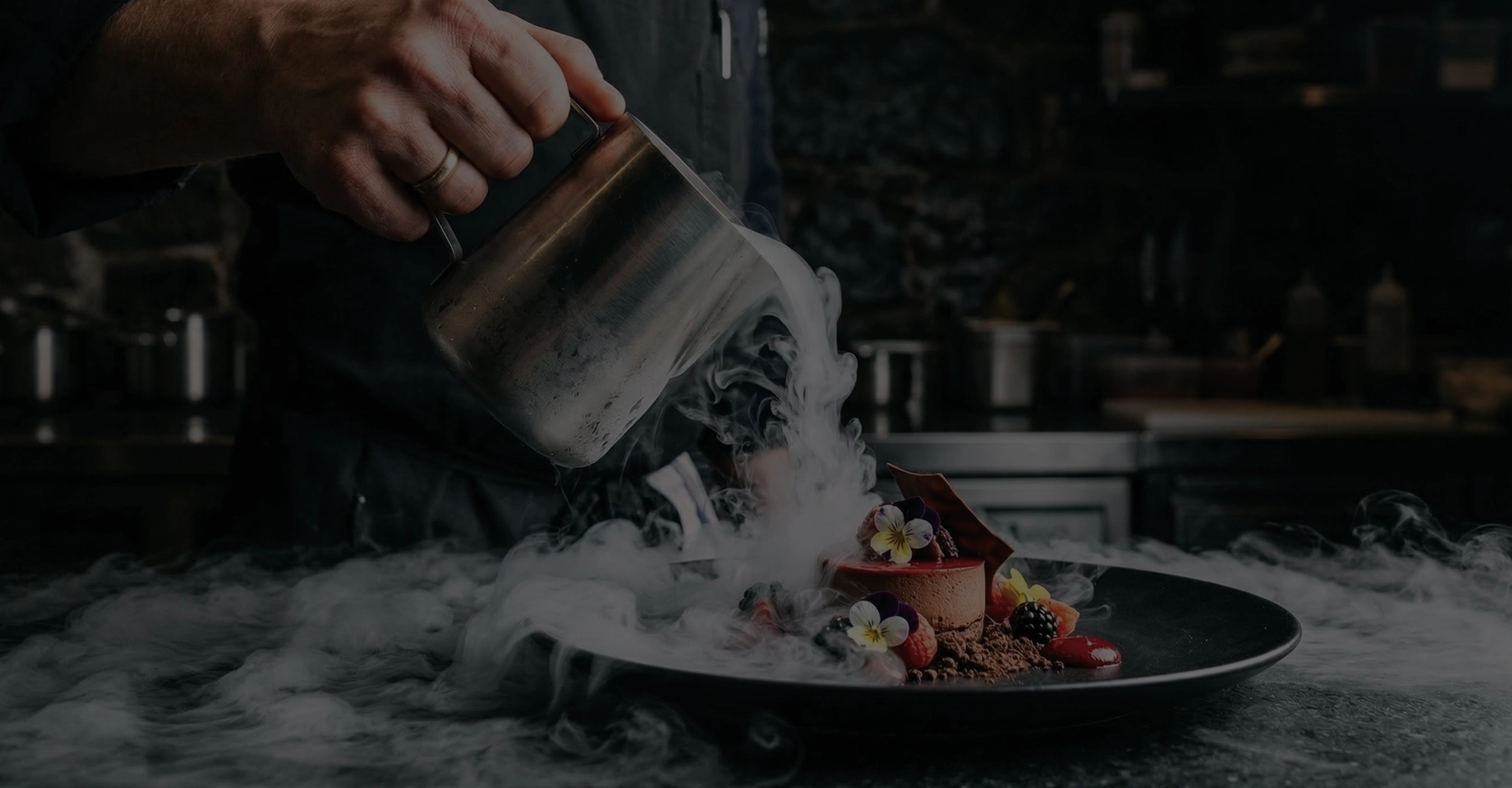
Advanced techniques for baking and cooking
Transforming raw ingredients into refined dishes requires precise temperature control and careful flavor balancing. Controlled preparation techniques ensure consistent textures across sweet pastry and savory cooking, elevating everyday meals into memorable dining experiences.
Essential processes for crafting traditional sweet pastry doughs
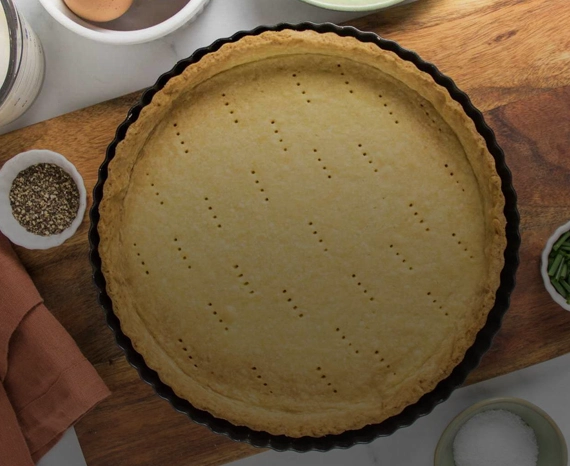
Perfecting shortcrust bases
Resting butter-rich shortcrust dough limits gluten development, yielding a remarkably tender and flaky pastry crust.
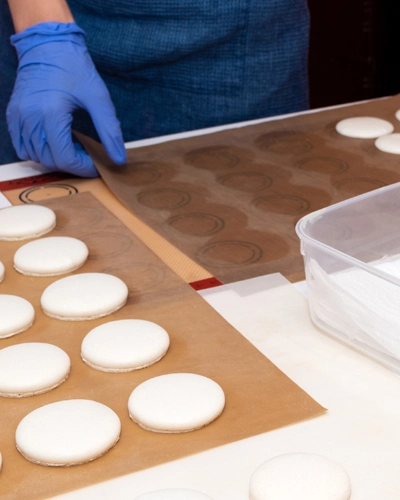
Mastering macaron shells
Folding almond flour into meringue properly ensures smooth macaron shells with a glossy finish.
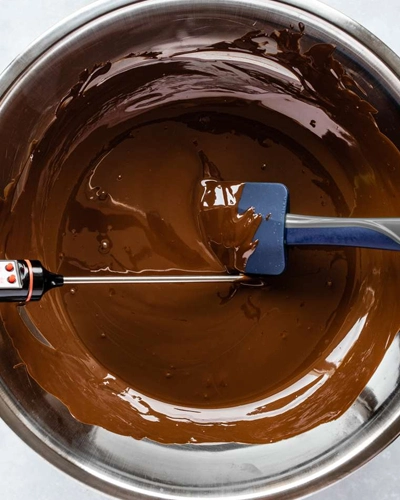
Tempering dark chocolate
Controlled cooling during chocolate tempering aligns cocoa butter crystals for a clean snap and glossy finish.
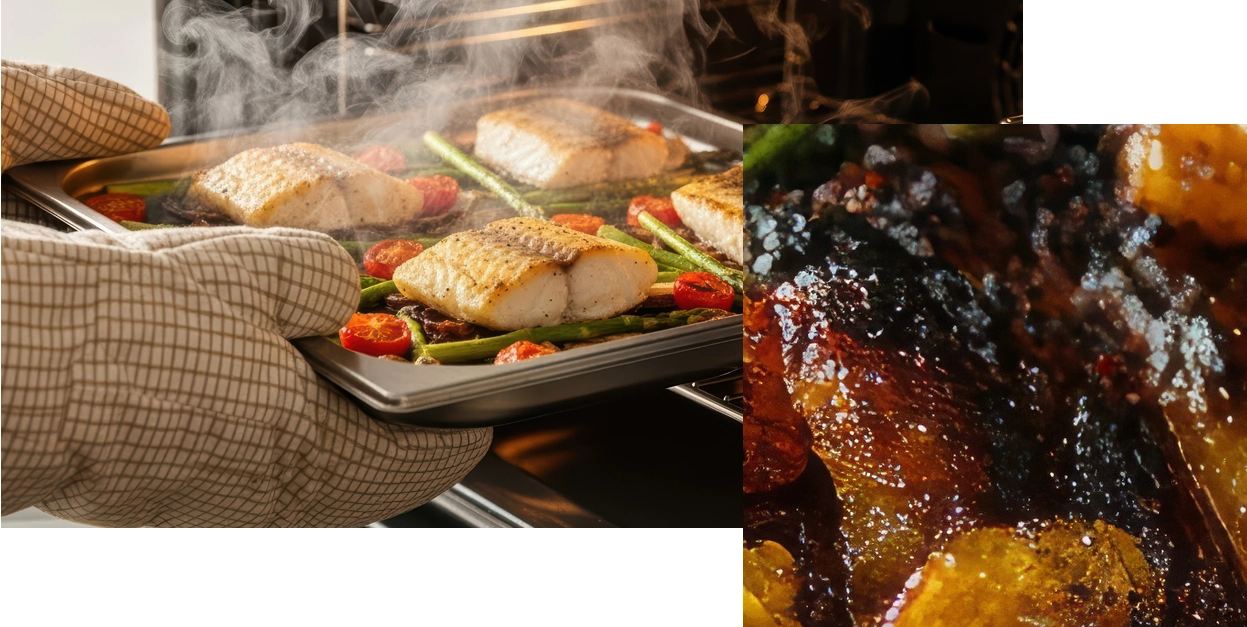
Principles of savory roasting
Structural foundations for multitiered celebration cakes
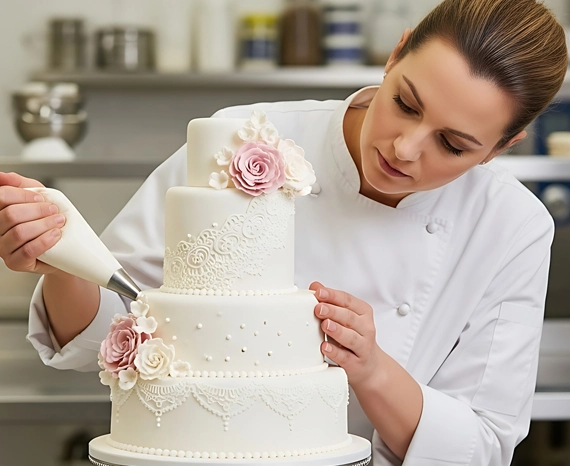
Supporting heavy layers of sponge and buttercream demands a hidden cake support framework of wooden dowels and separator plates. Even weight distribution prevents bottom tiers from collapsing under pressure, while a thin crumb coat traps loose cake particles before the final layer of smooth fondant.
Utilizing an offset palette knife against a rotating turntable allows decorators to achieve razor-sharp edges and smooth cylindrical frosted sides.
Harmonizing textures within contemporary gourmet plating
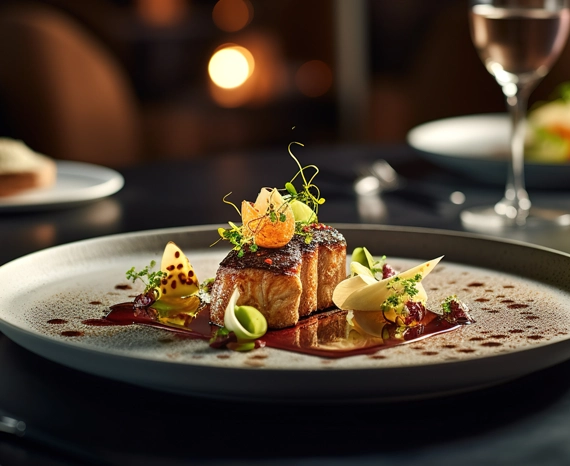
Designing a high-end restaurant dish involves layering contrasting culinary textures, such as crispy tuiles against smooth vegetable purées. Chefs carefully balance acidity and richness on the plate, ensuring each component visually complements the others while delivering distinct flavor profiles throughout a multi-course tasting menu.
Applying micro-herbs and infused oils with specialized tweezers adds precise finishing details that elevate the architectural presentation of plated ingredients.
Fabricating dining textiles
Edge finishing techniques
Employing a rolled hem foot attachment creates clean, narrow hems on lightweight fabrics during machine stitching.
Custom embroidery details
Adding monogrammed initials to corner pockets transforms ordinary cotton placemats into personalized dining accessories suitable for elegant hosting and entertaining.
Selecting precision instruments for modern kitchens
Upgrading basic tools to professional-grade kitchen equipment streamlines the preparation workflow. High-carbon steel chef knives maintain their sharp edge through heavy daily use, while precision digital scales measure ingredients down to the fraction of a gram, supporting consistency for sensitive pastry formulas and complex molecular gastronomy preparations.

Silicone baking mats
Reusable silicone baking mats provide non-stick surfaces that eliminate the need for greasing metal trays during oven cycles.

Stand Mixer attachments
Stand mixer dough hooks handle stiff bread doughs, while wire whisks aerate delicate meringues.

Digital probe thermometers
Digital probe thermometers provide instant temperature readings that help prevent overcooking meat centers and ruining delicate caramel syrups.